Focus on the journey of innovative drugs from the laboratory to clinical practice
Gather a seasoned‑R&D team and cutting‑edge technology platforms to empower efficient new‑drug research and development


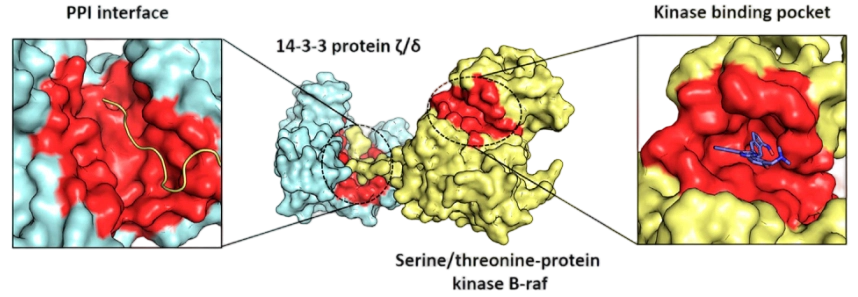
| No well-defined binding pockets | Binding pockets | Well-defined binding pockets |
| 1000–6000 A3 | Surface | 300–1000 A3 |
| Flexible/Dynamic | Shape | Rigid |
| MW.>400 | Ligand | MW.<600 |
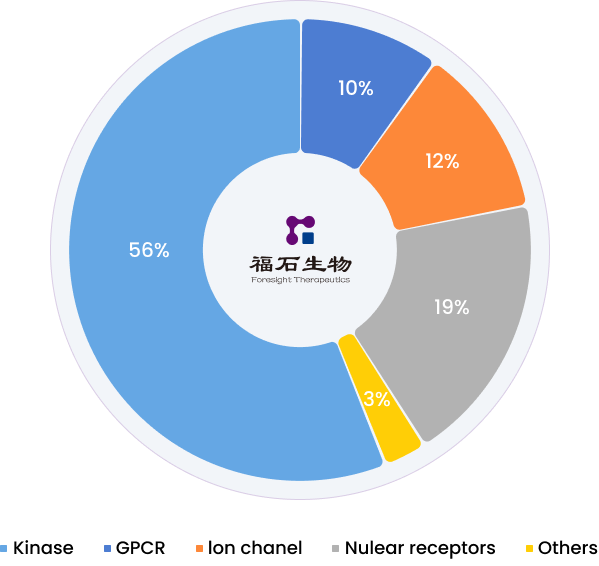
| 2 | Marketed drug | 72 (kinase) |
| 16 | Small molecules in Clinical trials | ~180 |
| ~0.01% | HTS Hit rate | ~2–5% |
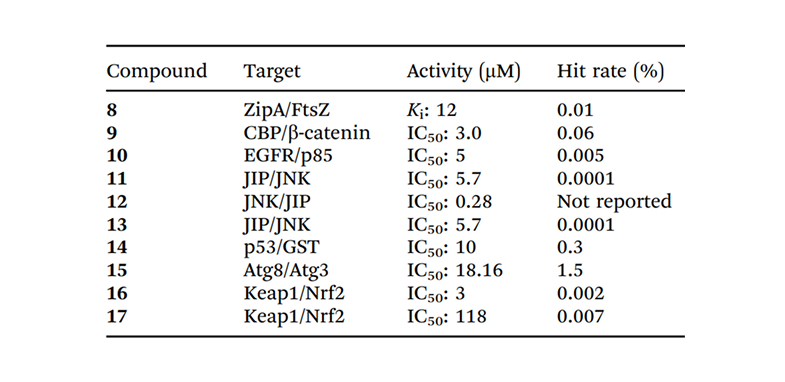
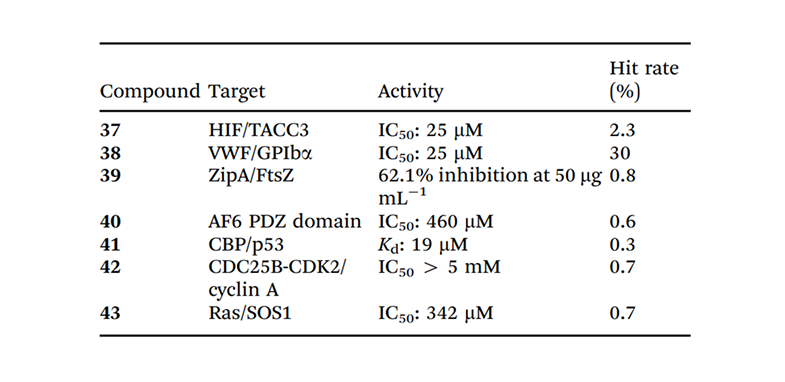

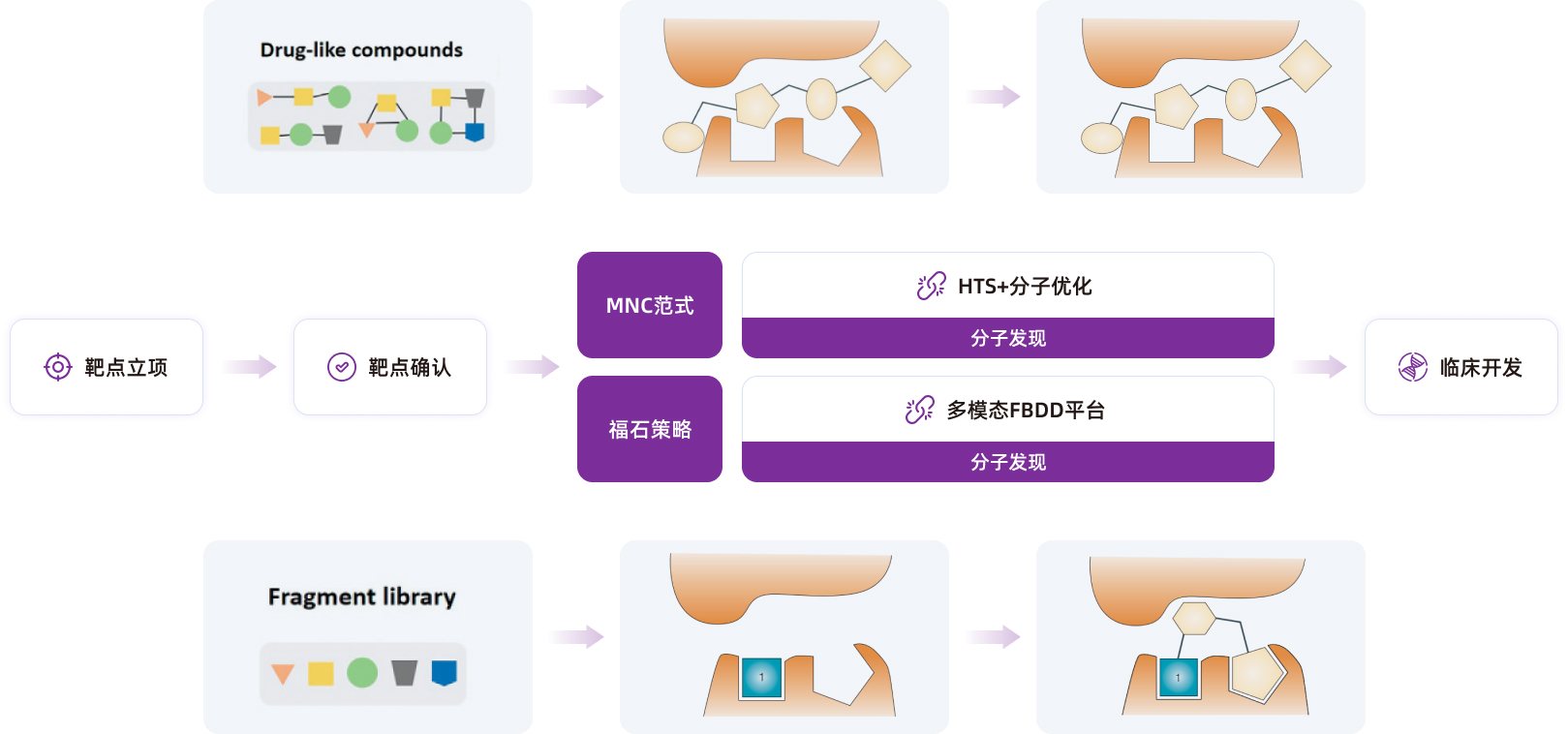
FBDD technology has been proven to be more effective against PPI targets.
HTS technology has 100 times hit rate advantage

FBDD approved drugs before 2019: 2
FBDD approved drugs after 2019: 5

 project‑initiation
lead
PCC
IND
Phase I
Phase II
project‑initiation
lead
PCC
GLP-Tox
IND
MSI-H and dMMR are important tumor biomarkers and are widely present in a variety of advanced solid tumors. The core biological basis of the dMMR/MSI-H phenotype is the functional inactivation of the DNA mismatch repair system. With the continuous accumulation of coding DNA mutations, tumorigenesis is ultimately induced.
At present, immune checkpoint inhibitors have been approved for the treatment of MSI-H/dMMR advanced solid tumors. However, some patients still have primary or secondary drug resistance in clinical practice, and there is a lack of ideal follow-up treatment options after the progression of immunotherapy. At the same time, there is no sufficient evidence of clinical efficacy in exploring options such as immunotherapy combined with chemotherapy and anti-angiogenesis.
Overall, patients with MSI-H/dMMR advanced solid tumors who have progressed through immunotherapy have limited clinical treatment options and have huge unmet clinical medical needs.Innovative drugs with new mechanisms of action are also urgently needed to bring new hope for treatment.。
FS-207 tablet is aPotent, highly selective small molecule inhibitor of WRN helicase, its mechanism of action directly targets the core biological characteristics of MSI-H tumors.
MSI-H (microsatellite instability high) tumors have a large number of replication errors in their genome due to defects in DNA mismatch repair. These cells are highly dependent on WRN helicase to maintain DNA replication and genome stability. When WRN function is inhibited, tumor cells will experience severe chromosomal structural abnormalities and accumulation of DNA damage, eventually triggering tumor cell apoptosis. However, normal human cell tissues do not rely on WRN to maintain normal genome stability. Therefore, theoretically, FS-207 tablets canAchieve precise attack on tumor cells without harming the normal body, achieving the purpose of precise targeted treatment of diseases。
FS-207 has demonstrated outstanding efficacy, safety and drug advantages in preclinical studies:
· Potent targeted inhibition: Inhibition of WRN helicase/ATPase activity reachesSeveral nanomolar potency, which can effectively block the biological function of WRN. It is a very typical and powerful targeted anti-tumor candidate molecule.
· Super high choice security: Selective for WRN over other RecQ family helicasesMore than 1000 times, greatly reducing the risk of off-target effects and having excellent safety potential; it can be understood that while FS-207 kills the proteins of tumor cells, it has almost no effect on normal proteins in the human body.
· Oral administration is more convenient: It has good oral bioavailability, supports convenient oral administration, and is more suitable for long-term treatment scenarios for patients with advanced solid tumors.
· Similar drugs have significant advantages: In head-to-head studies, FS-207 demonstrated several to ten times the advantage over the first-developed drugs for similar targets in in vivo animal efficacy tests;
· Outstanding anti-tumor effect on multiple tumor types: FS-207 has demonstrated the ability to effectively inhibit and even eliminate tumor cells in the in vivo efficacy model of multi-tumor mice. As shown in the picture. In mouse pharmacodynamic models of gastric cancer tumors (TGBC11TKB), endometrial cancer tumors (RL952), and colorectal cancer tumors (SW48), FS-207 has demonstrated the ability to eliminate tumor cells at doses as low as 3 mg/kg, 3 mg/kg, and 5 mg/kg. It is mild and controllable when converted to a dose intended for clinical use in adults, and has good clinical application prospects.
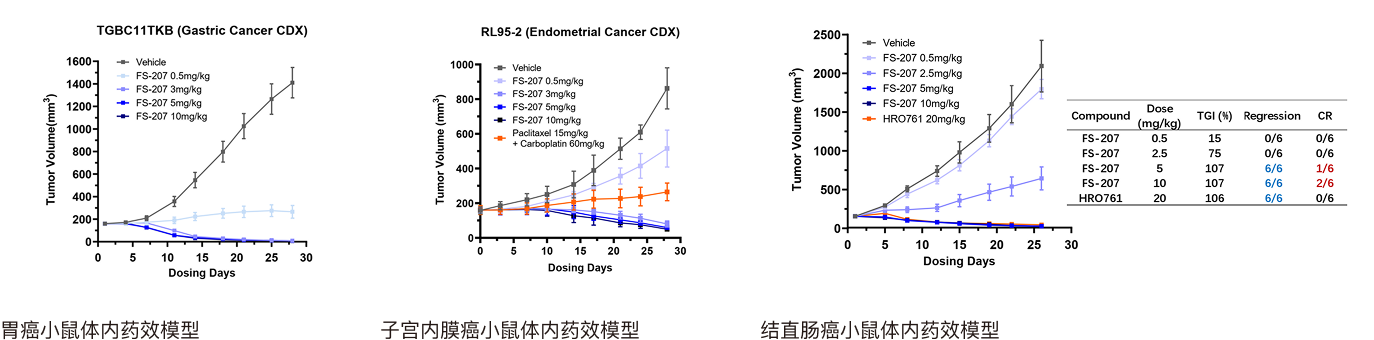
At present, FS-207 tablets have officially entered the clinical trial stage and have been registered on the CDE platform of the Center for Drug Evaluation of the State Drug Administration with the registration number: CTR20261661. The company strictly follows GCP regulations to conduct clinical research, relies on professional R&D and clinical operations teams to steadily promote the clinical development of new drugs, and is committed to exploring new and better treatment options for patients with MSI-H/dMMR advanced solid tumors.
project‑initiation
lead
PCC